

For many people, the monsoon is the most welcome relief after a hot summer. The air feels cooler, the trees look greener and stepping outside no longer feels tedious.
Your feet, however, may not enjoy the season quite as much.
A short walk in the rain, a dash through a flooded street or even a few hours in damp shoes can leave feet feeling uncomfortable. By the end of the day, many people notice itching, an unpleasant smell or skin that simply does not feel as healthy as it did a few weeks earlier.
Most of us pay attention to our skin when the weather changes. Feet are often forgotten until a problem appears. That is why monsoon foot care deserves a little attention.

Why the Rainy Season Is Tough on Feet
Think about what your feet go through during a typical monsoon day.
You step through puddles while crossing the road. Rainwater splashes onto your feet during the commute. If you wear sandals or slippers, your feet are constantly exposed to mud, dirty water and moisture. If you wear closed shoes, damp socks and trapped sweat can keep your feet wet for hours. Either way, your feet spend much of the day dealing with conditions they would not normally face during other seasons.
The problem is not the rain itself. The problem is moisture that stays in contact with the skin for too long.
When feet remain damp all day, the skin becomes softer and more prone to discomfort. Even at mild temperatures, humid conditions can cause feet to sweat more. The combination of dampness and warmth can make feet uncomfortable at the end of the day.
Although open footwear dries faster than shoes, it exposes feet directly to precipitation, mud and pollution on the road. Closed shoes provide additional protection from the weather, but they can hold moisture inside for longer periods of time.
It is a small change in environment, but over days and weeks, it can affect the overall health and comfort of your feet.
Common Foot Problems People Notice During Monsoon
Not everyone experiences the same issue, but a few complaints tend to appear every rainy season.
Itching especially between the Toes
This is one of the most common monsoon concerns. Skin between the toes can stay damp longer than other areas of the foot, especially after wearing closed footwear for several hours.
Foot Odour
Even freshly washed feet can develop an unpleasant smell when sweat and moisture remain trapped inside shoes throughout the day.
Skin Irritation
Wet footwear can rub against the skin and create friction. Over time, some people notice redness, tenderness or general discomfort.
Rough Cracked Heels
Many people associate cracked heels with winter, but the monsoon can also be challenging for chapped skin. Repeated exposure to water followed by drying can leave heels feeling rougher and less smooth than usual.
Simple Monsoon Foot Care Habits That Help
Good foot care does not require a complicated routine.
A few small habits often make the biggest difference:
- Wash your feet with clean lukewarm water after walking through rainwater or muddy streets.
- Dry them properly, especially between the toes.
- Change wet socks as soon as possible.
- Allow shoes to dry completely before wearing them again.
- Choose footwear that allows better airflow whenever practical.
- Moisturise your feet before going to bed.
None of these steps takes much time, but together they can help keep feet feeling healthier throughout the season.
Why Moisturising Still Matters During Monsoon
A common misconception is that moisturiser is only useful in cold weather.
In reality, your feet still lose moisture during the rainy season.
Think about how often monsoon feet go through a cycle of getting wet and dry again. Rainwater, puddles, frequent washing and friction from footwear can all affect the skin's natural balance.
This is particularly noticeable around the heels.
Skin that feels slightly rough today can become much drier over the following weeks if it is ignored. A good moisturising routine helps maintain softer and more comfortable feet throughout the season.
Natural Ingredients Can Support Daily Foot Care
Many people prefer foot care products that combine hydration with soothing natural ingredients.
Aloe vera is widely used because it helps hydrate the skin while repairing the skin barrier and providing a light, comfortable feel. During humid weather, this can be especially helpful because heavy products often feel unpleasant on the feet.
Tea tree oil is another ingredient commonly found in foot care formulations. It is valued for its anti fungal properties and is often included in products designed for daily foot hygiene.
Kokum butter helps nourish dry skin and supports a smoother texture, particularly around rough areas such as the heels.
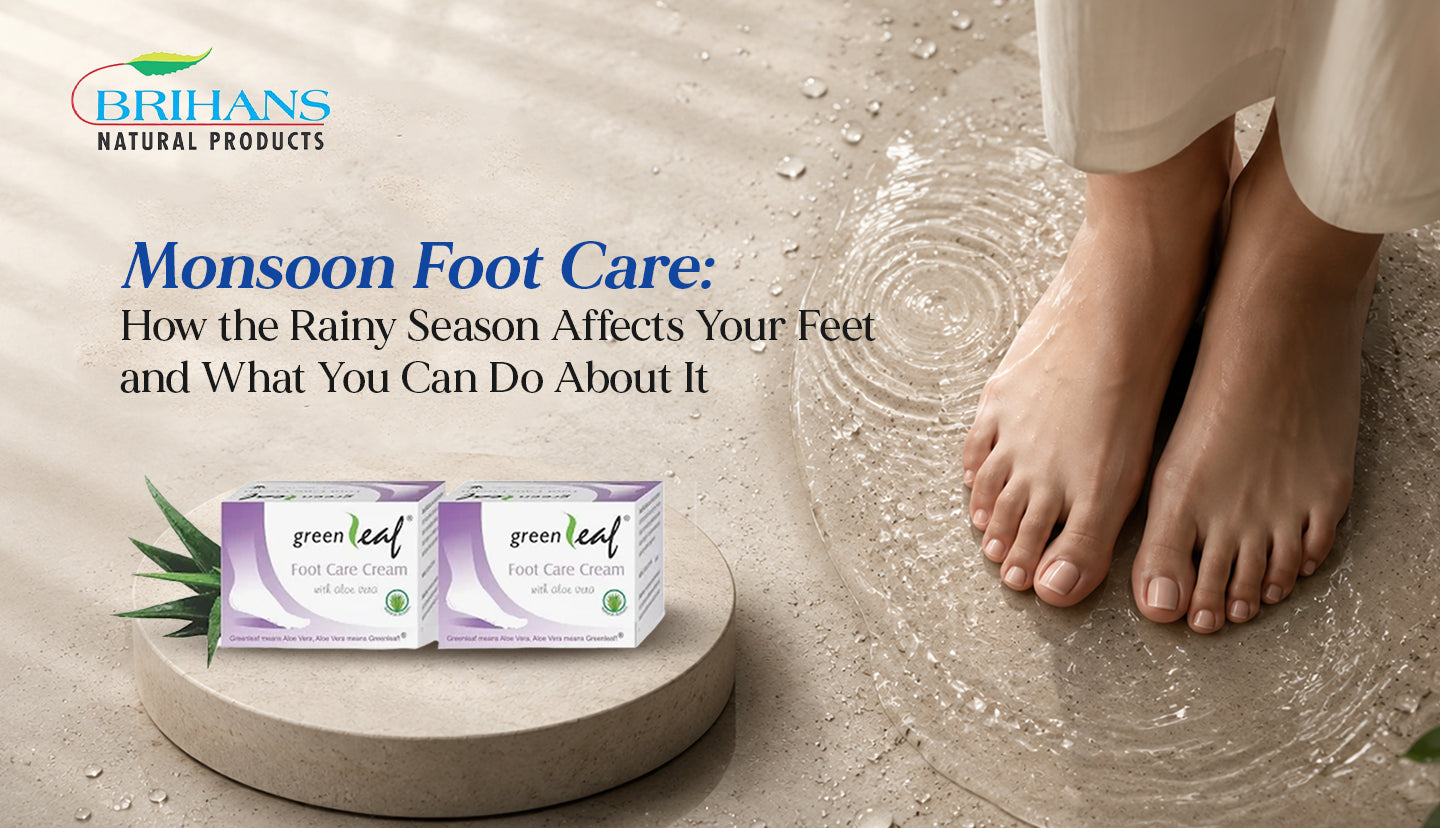
Greenleaf Foot Care Cream brings these three ingredients together in an ayurvedic blend. Aloe vera for hydration and skin barrier repair, Tea tree oil for daily protection and Kokum butter for intense nourishment. It is an ayurvedic formula designed to keep feet soft and comfortable through the demands of the monsoon season.
A Little Care Goes a Long Way
Foot problems during the monsoon rarely appear overnight. They usually develop after days of damp footwear, trapped moisture and neglected skin.
Fortunately, the solution is often simple.
Keeping feet clean, drying them properly and maintaining regular moisturisation can help prevent many common seasonal concerns. These small habits take only a few minutes each day, yet they can make a noticeable difference in how your feet feel throughout the rainy months.
After all, when your feet stay protected and comfortable, every monsoon journey becomes a little easier.
FAQs
1. Is it okay to wear sandals during the monsoon to keep feet dry?
Sandals do keep your feet better ventilated, but walking barefoot or in open footwear on flooded streets exposes you to waterborne pathogens and to dangerous items hidden beneath the water. If you do wear sandals, bathe your feet as soon as you reach home and avoid stepping in clearly dirty or stagnant water. Use footwear made for the monsoon.
2. How often should I moisturise my feet during the monsoon season?
Once at night is the minimum, but if your heels are already rough or cracked, applying sufficient amount in the morning as well can speed up recovery. Layering a thin pair of cotton socks over the cream at night helps it absorb more deeply into the skin. Always clean your feet before moisturising.
3. My feet smell despite washing them daily. What could be the reason?
The odour is mainly caused by bacteria breaking down sweat on the skin's surface, rather than by filthy feet. Soaking your feet in simple saltwater for 10 minutes several times per week will help reduce bacterial activity and keep the smell at bay.
4. How fast will I see results with the Greenleaf Foot Care Cream?
Consistent use is key. Results like reduced itching and dryness will be felt from the first application. But regular use is needed to feel a long lasting relief from foot problems like cracked heels.