



Shop by Category





Best Sellers


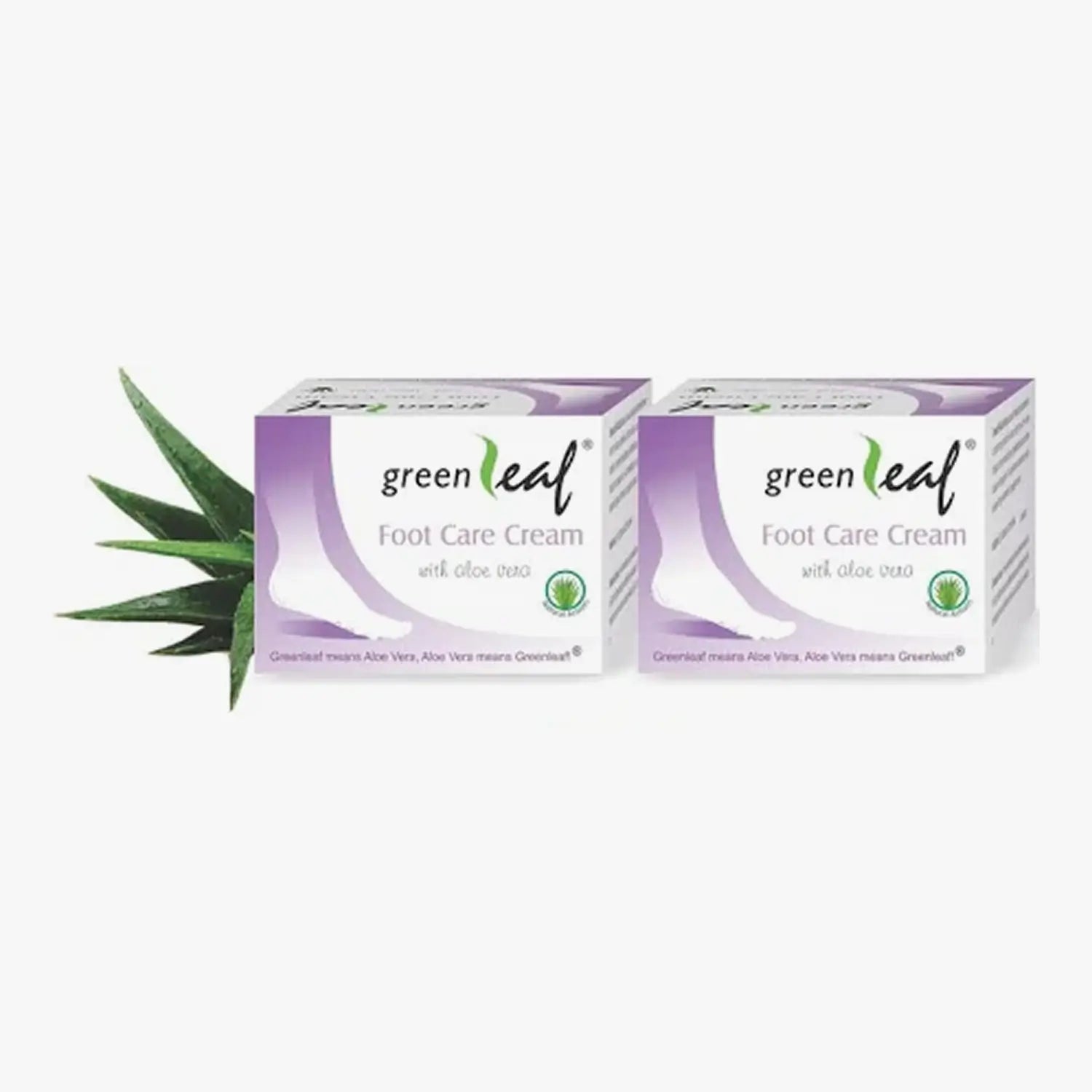
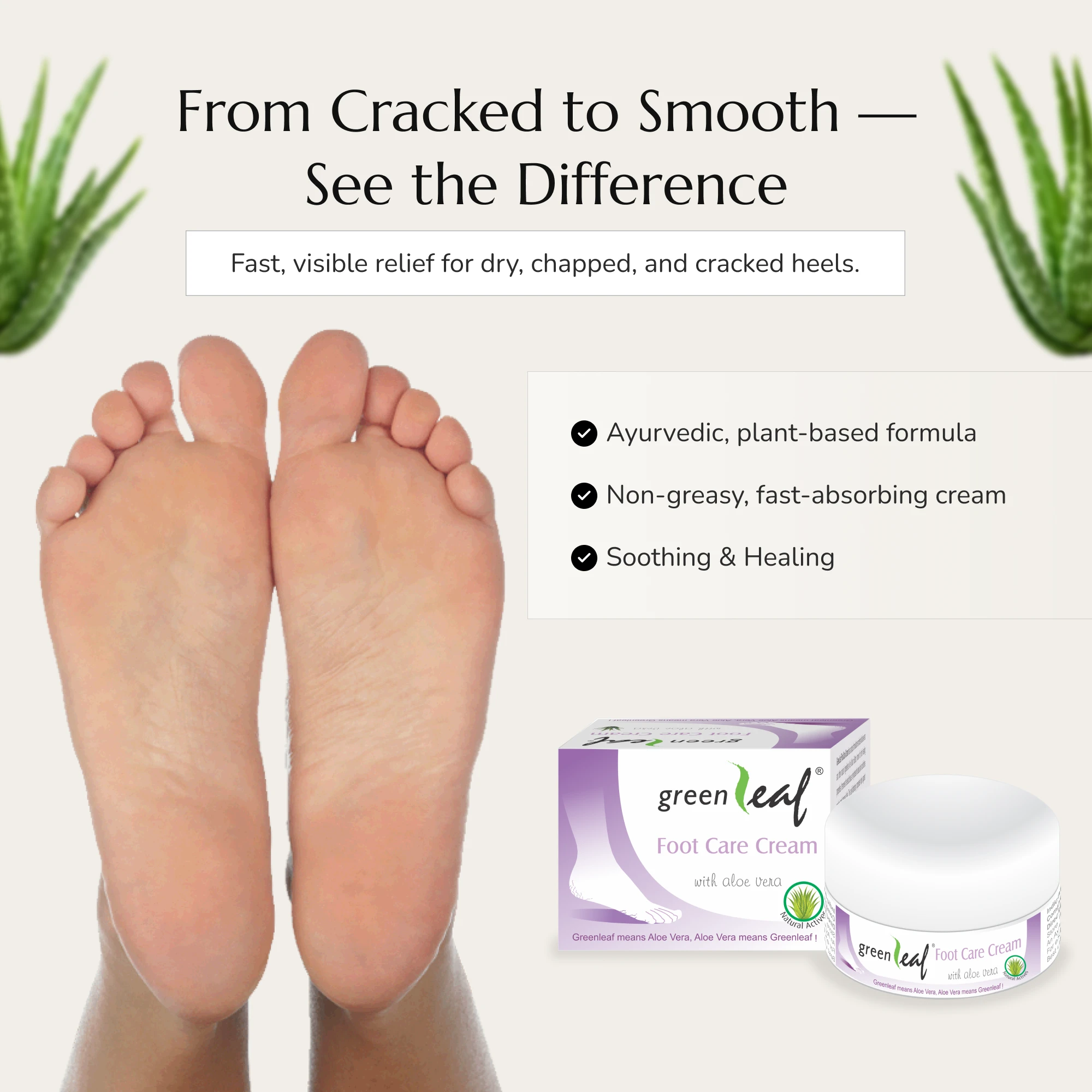
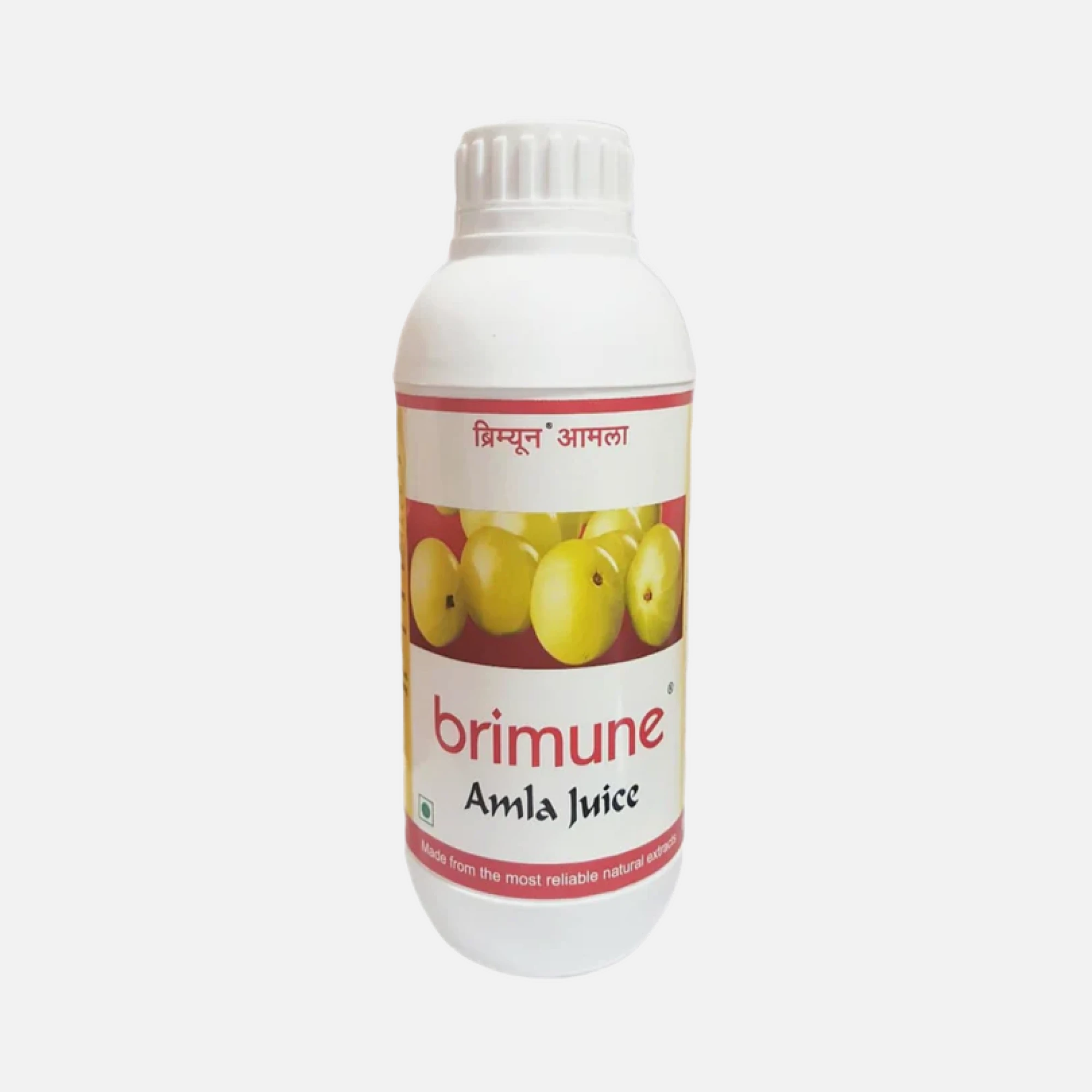
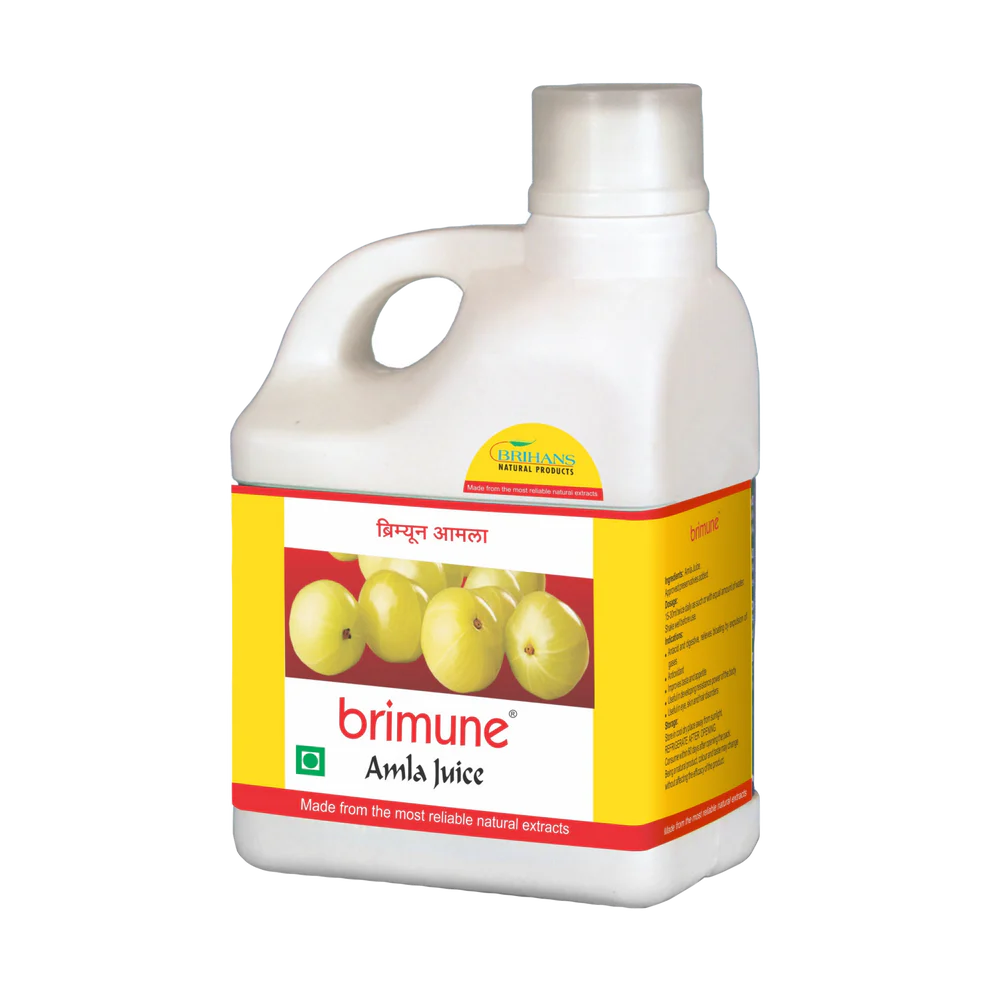
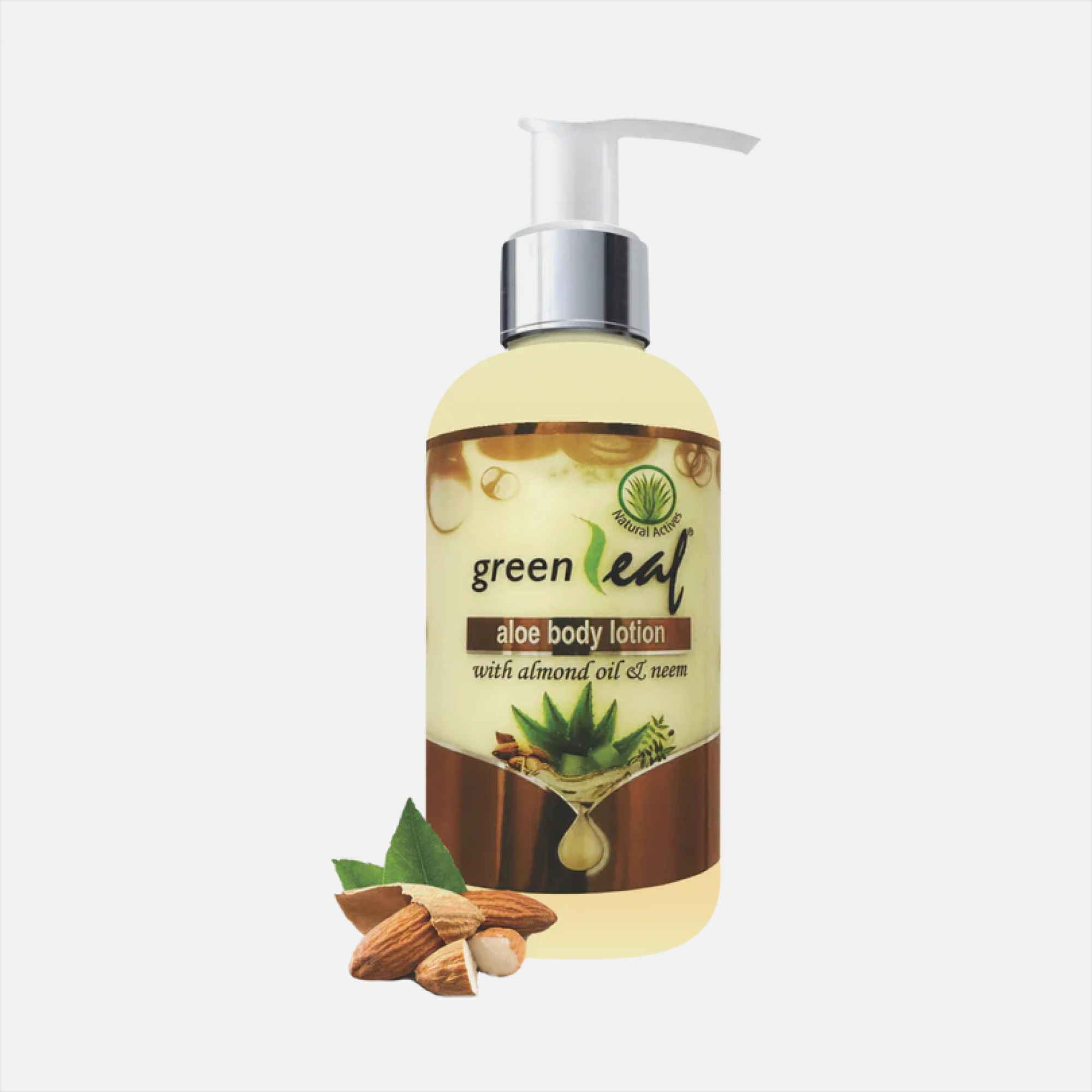
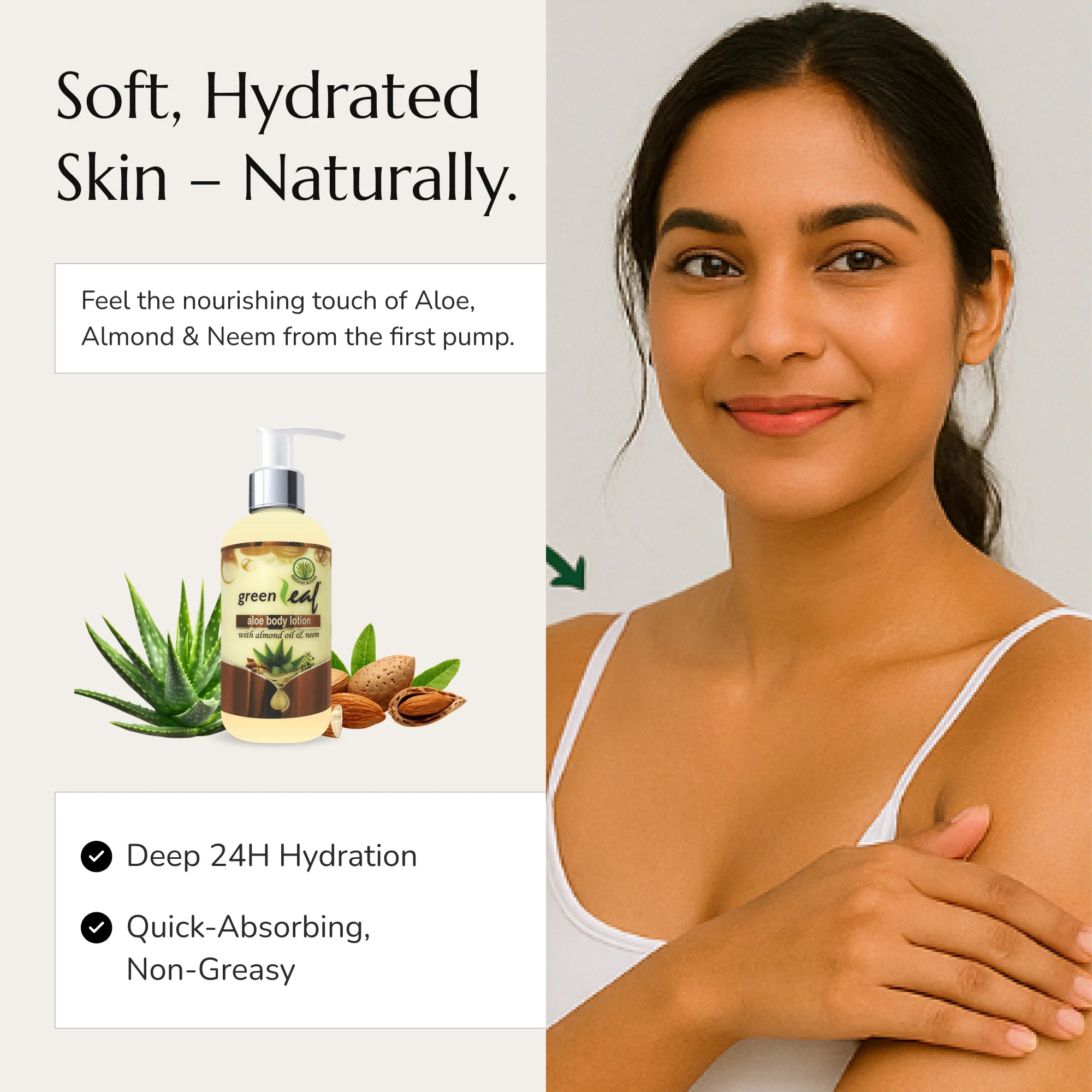


Curated Combos
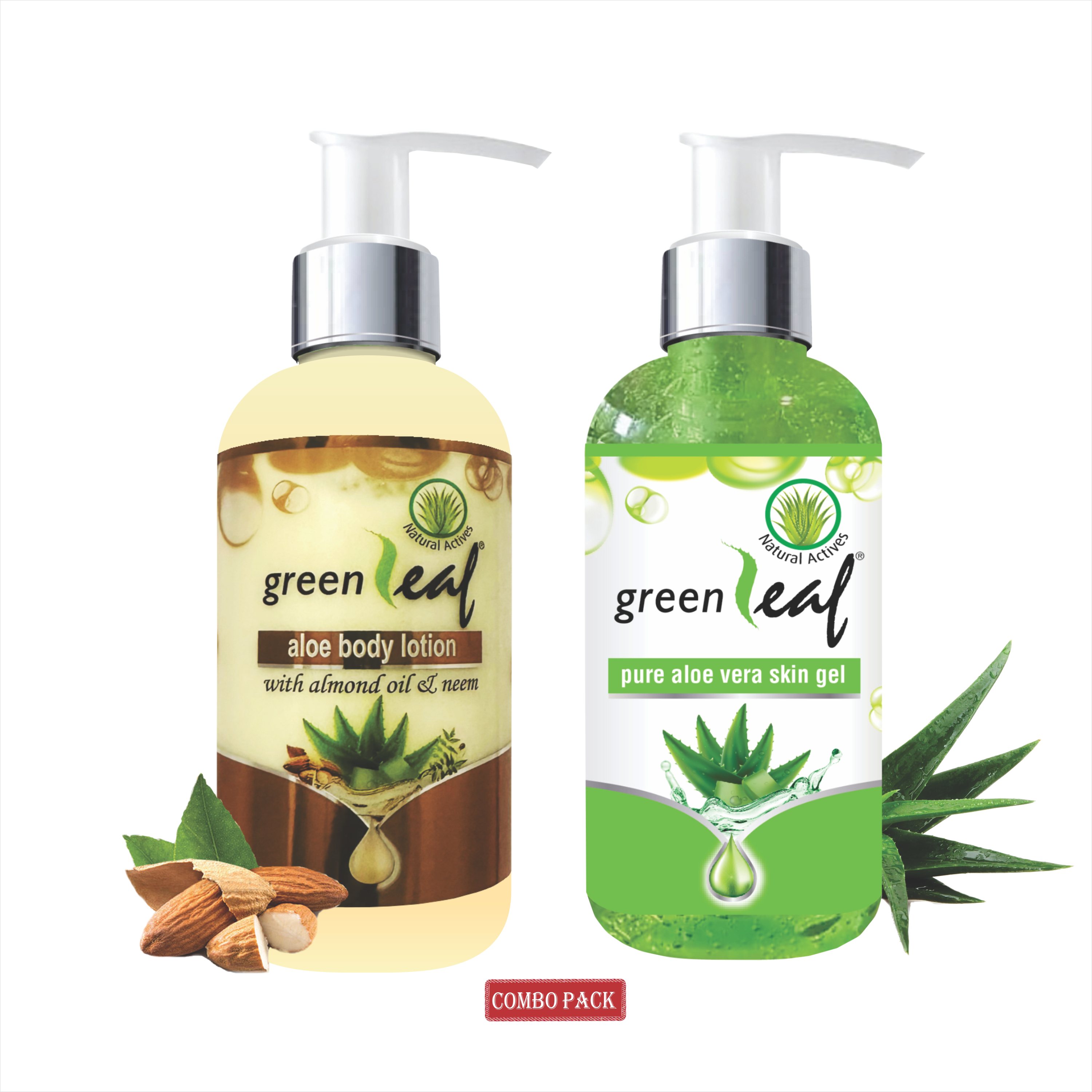
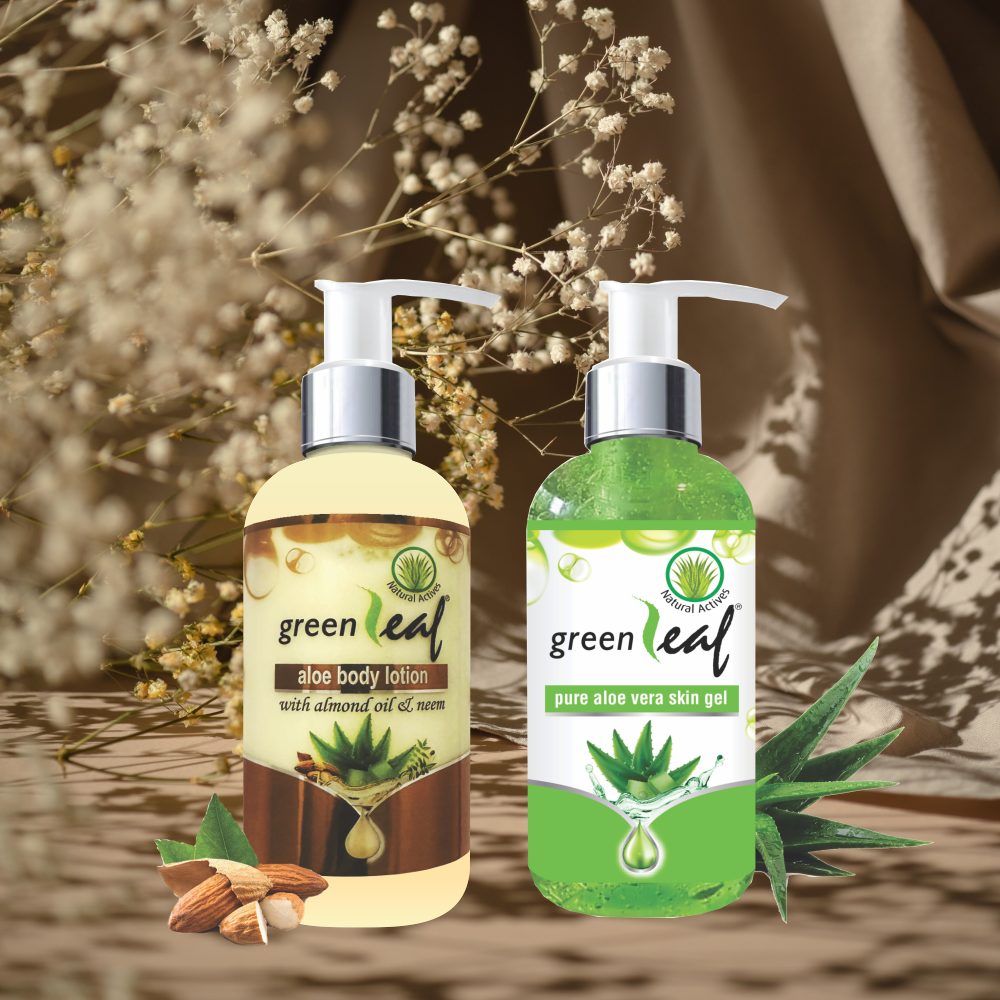



Brihans Natural Essentials – Better Together


The Goodness Of Non - Toxic Beauty

100 % Natural Actives
Brihans Natural Products Ltd. aims at replacing the chemical active ingredients generally used in beauty products with 100% natural active ingredients to give you naturally beautiful and healthy skin & hair. The result is a range of breakthrough hair care, skin care and health care products.

Cruelty-Free
We never test on animals and never will. Our products are developed through ethical research and Ayurvedic wisdom that respects all forms of life.

Recyclable Packaging
Our eco-conscious packaging is recyclable, reflecting our commitment to a sustainable healthy journey that leaves no trace behind.











Naturally Effective. Proudly Shared.


Our Blogs

Navratri Self-Care: 9 Ways to Care with Aloe Vera
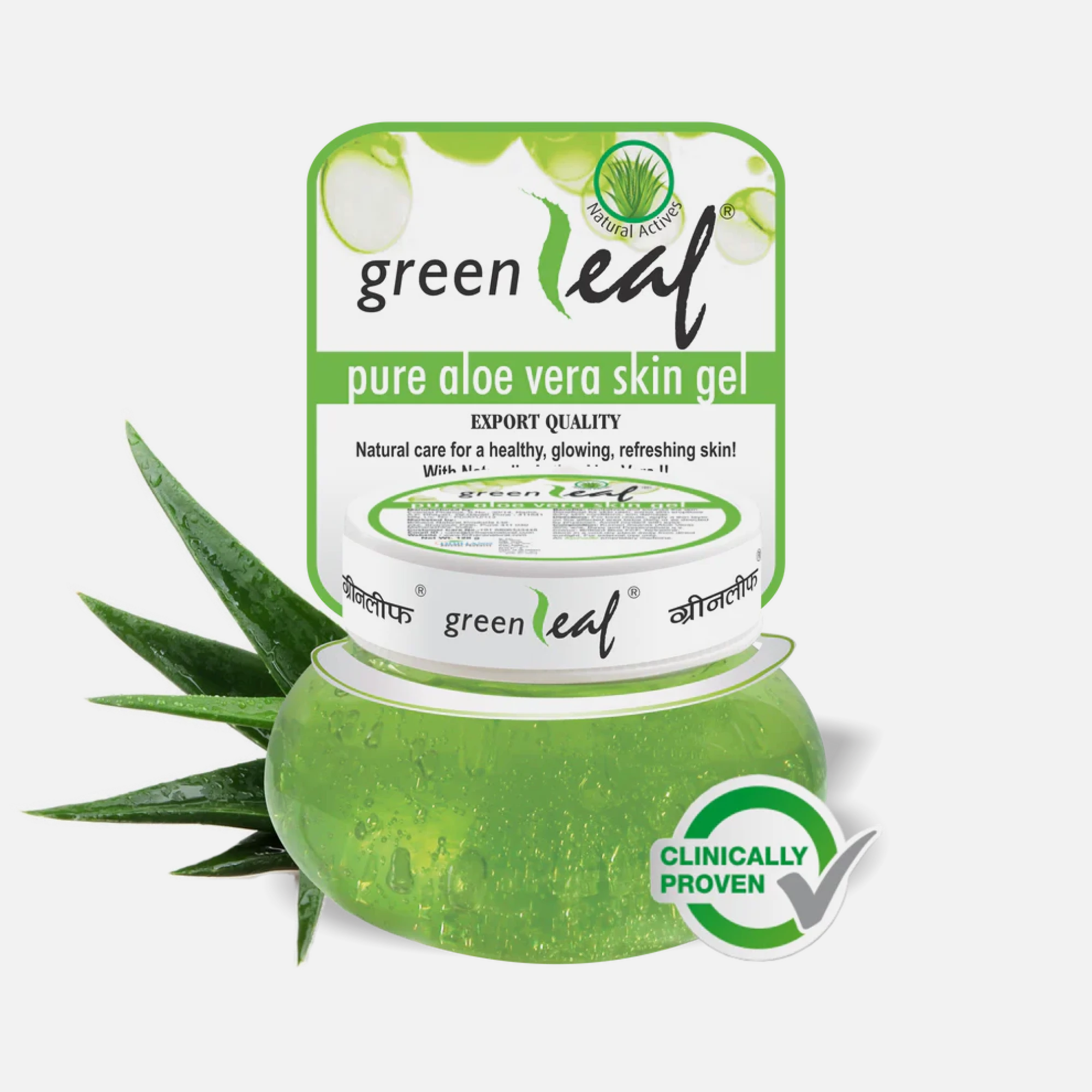
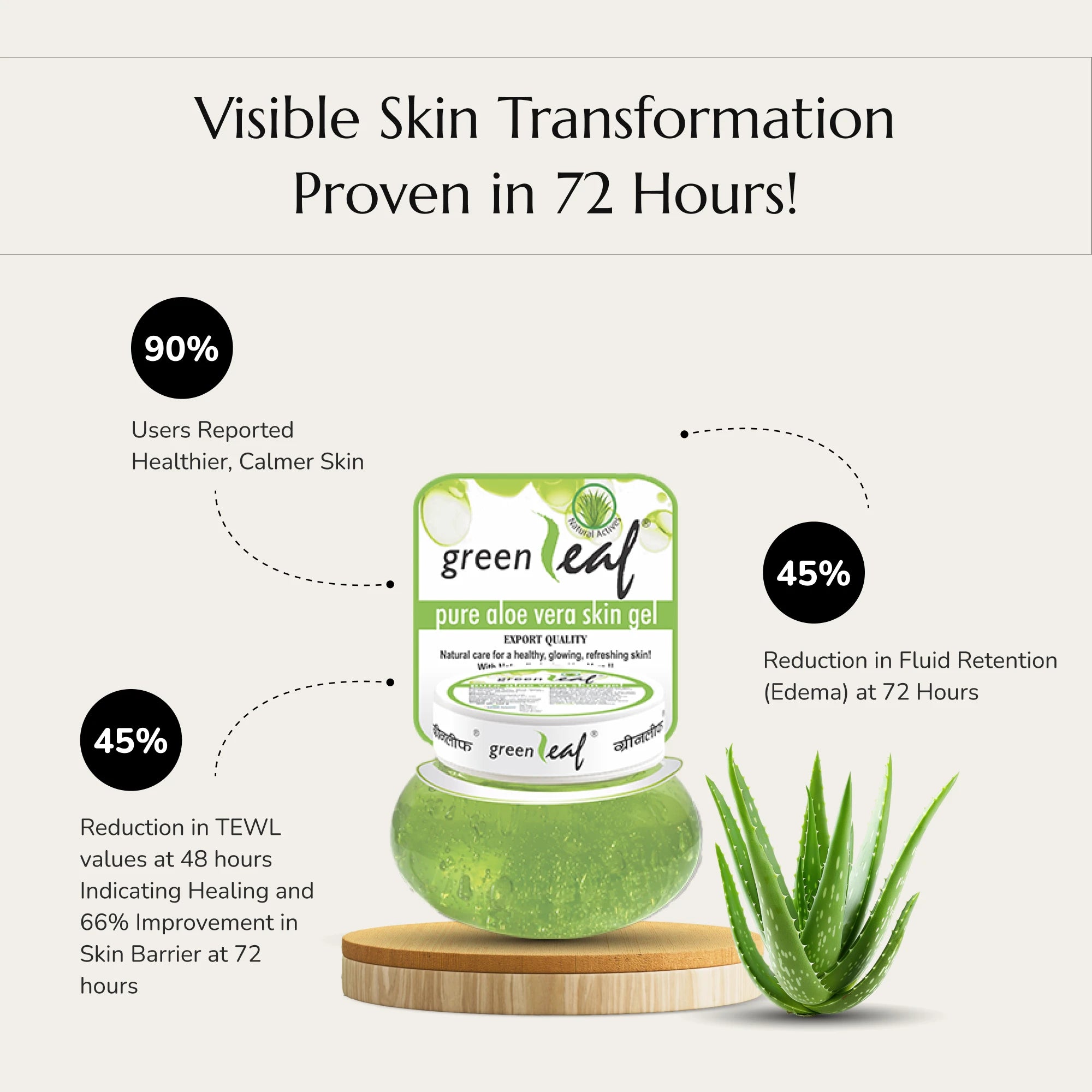
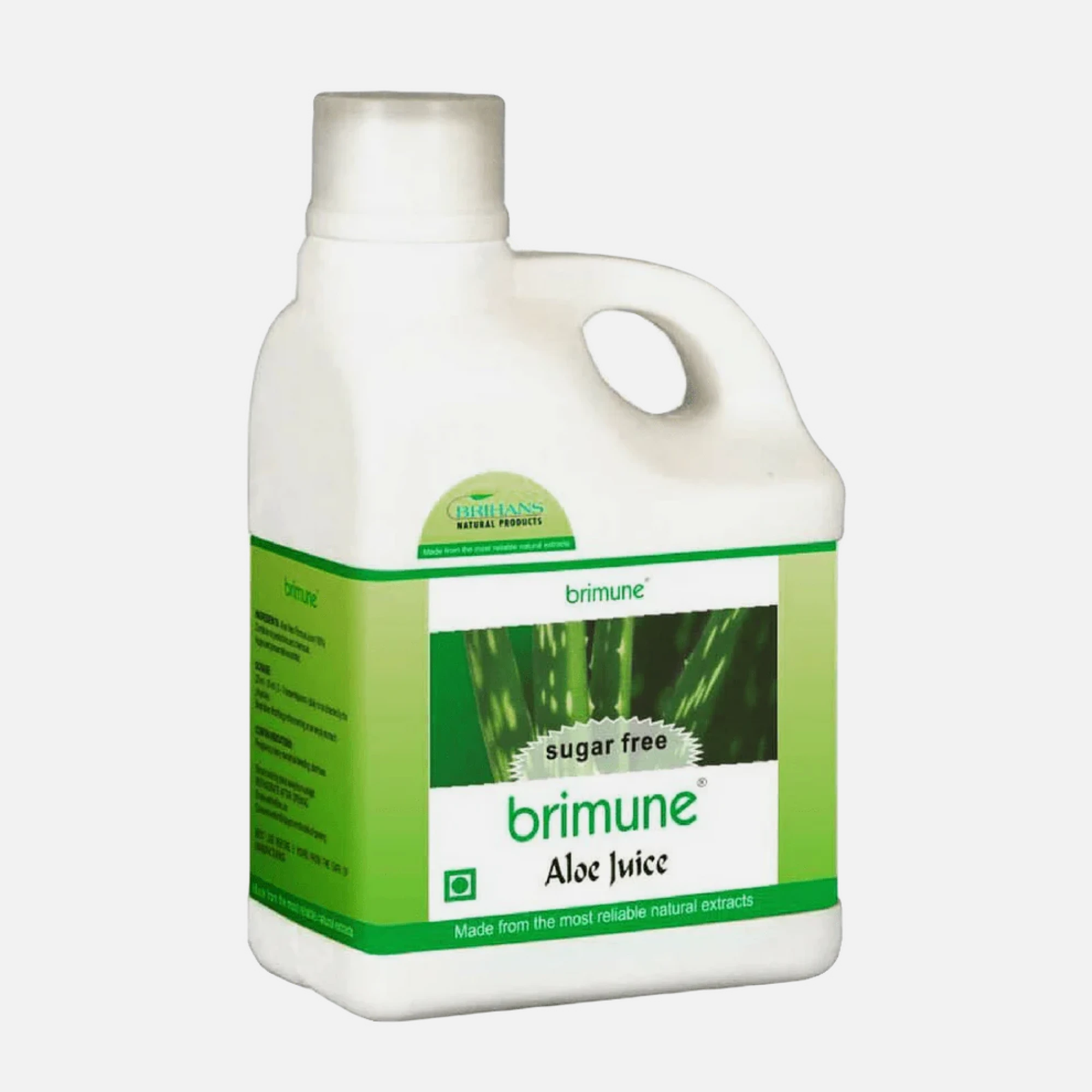
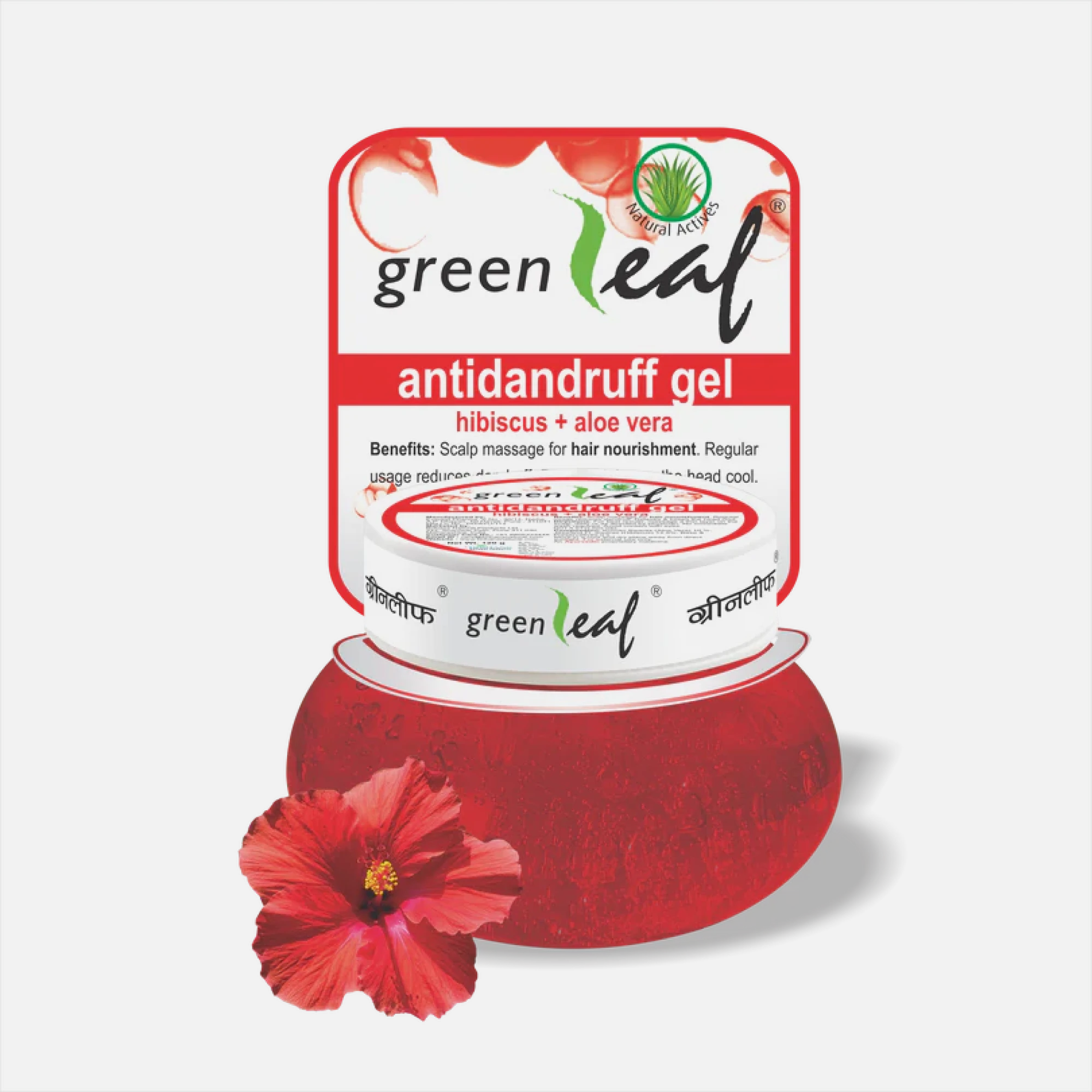
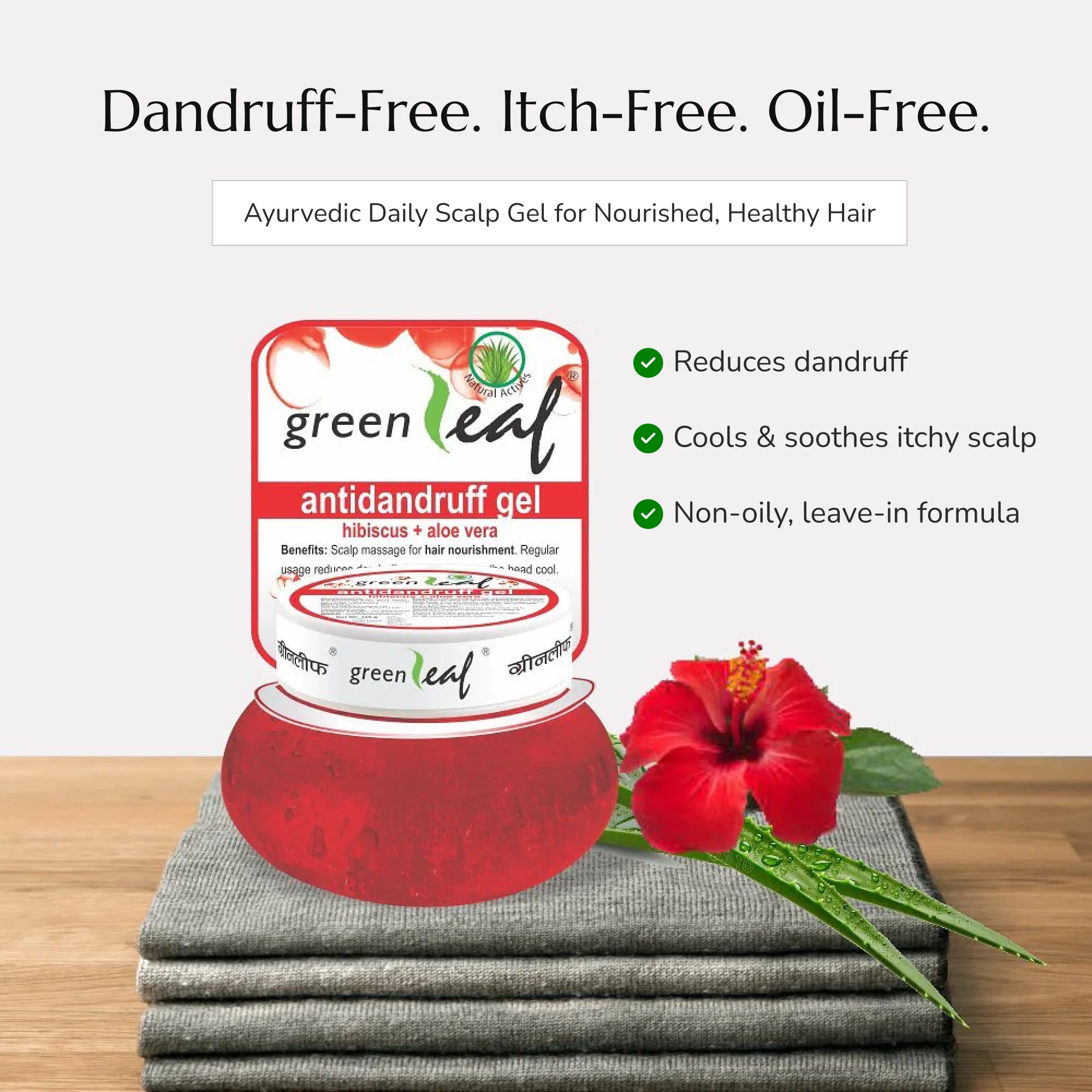
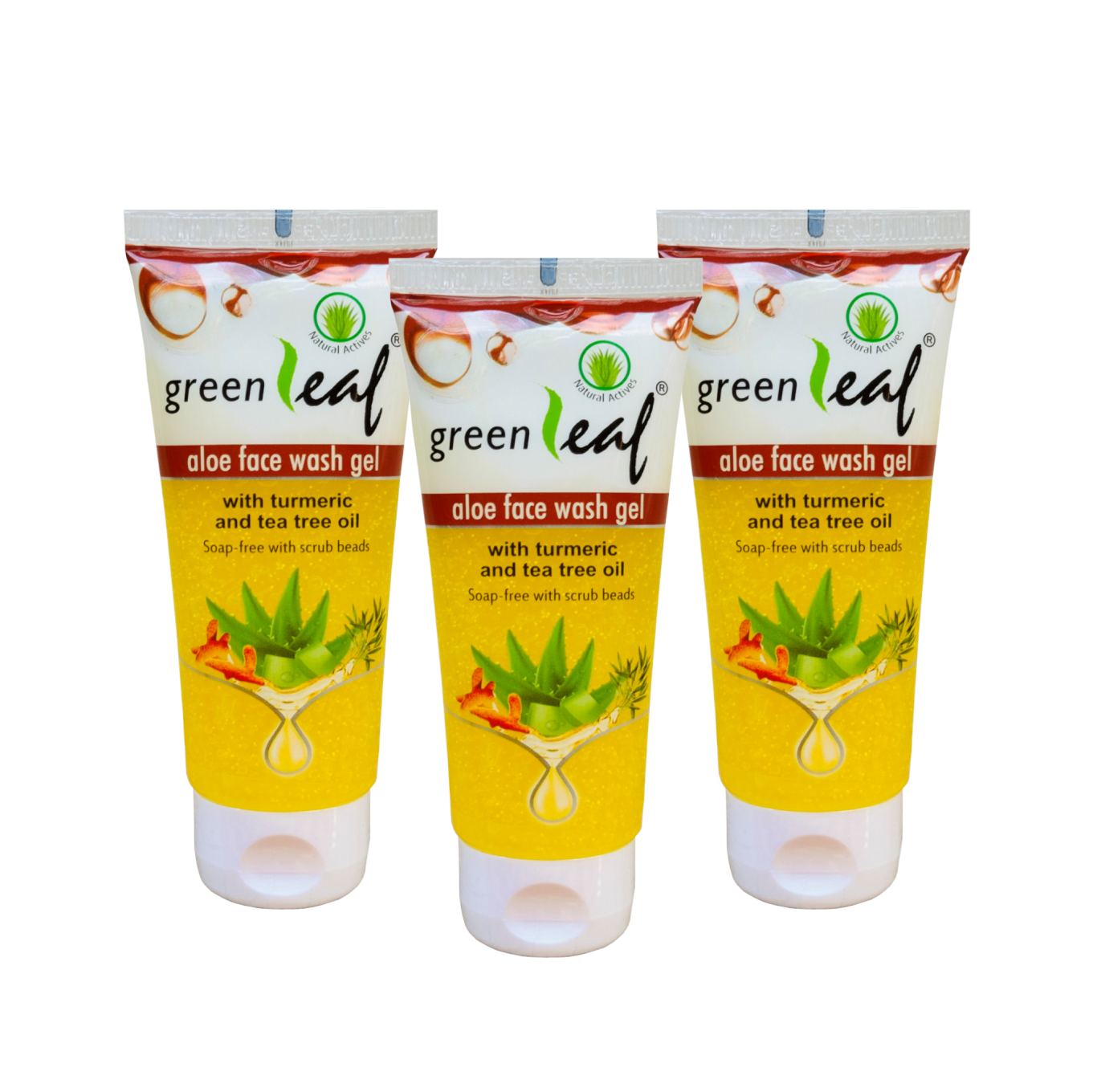
Navratri is a time for celebration, dressing up, dancing, meeting friends and enjoying festive food. For many people, it also means late nights, more time outdoors and a change in their usual eating routine. With so much happening, self-care can easily take a back seat. But looking after yourself during Navratri does not need to mean adding a complicated routine to an already busy schedule. Aloe vera is one natural ingredient that can fit into different parts of your everyday care, from skincare and haircare to overall wellness. Here are nine simple ways to make self-care with aloe vera part of your Navratri routine. 1. Start With a Clean Face More time outdoors and more festive makeup can mean more sweat, dust and product build-up on your skin. A simple soap-free cleansing routine can help remove this build-up at the end of the day. Look for a gentle face wash that cleanses without leaving your skin feeling uncomfortable or overly dry. The Greenleaf Aloe Face Wash Gel, with aloe vera, turmeric and tea tree oil, can be a simple addition to your daily skincare routine. 2. Keep Your Skin Hydrated Your skin can feel different during busy festive days, particularly with heat, sweat, outdoor exposure and changes in routine. Aloe vera is widely used in skincare for its hydrating and soothing properties. A lightweight aloe vera gel can be useful when you want to give your skin some moisture without adding a heavy layer. The Greenleaf Aloe Vera Skin Gel with 90% natural active aloe vera can be applied after cleansing to rejuvenate tired skin as part of a simple skincare routine. 3. Give Your Hair a Break From Constant Styling Festive dressing often comes with festive hair too. Heat styling, tight hairstyles and styling products can become part of your routine more frequently than usual. Give your hair some downtime between celebrations. Keep heat styling to a minimum when possible and stick to a regular washing routine. The Greenleaf Nourishing Shampoo, formulated with aloe vera and hibiscus, can help keep your hair clean, fresh and voluminous. 4. Do Not Forget Your Scalp Your scalp can also feel the effects of long days, sweat and styling products. If you are prone to dandruff, pay attention to your scalp rather than simply adding more products to your hair. Regular cleansing and a targeted anti-dandruff routine can help you stay on top of the problem. The Greenleaf Anti Dandruff Gel, with hibiscus and aloe vera, will control dandruff and nourish your scalp as part of a routine designed specifically for scalp care. 5. Be Mindful of Festive Food Navratri comes with plenty of tempting food, while fasting can also change the way some people eat. You do not have to avoid every festive favourite. Pay attention to portions, stay hydrated and try to keep your meals balanced. If aloe vera juice is already something you include in your wellness routine, Brimune Aloe Vera Juice is a sugar-free option to improve gut health that can fit alongside sensible eating habits. And if gas, acidity, bloating & constipation are troubling you due to changes in food intake during Navratri, Brimune Amla Juice is a natural, simple option to give you some relief. Remember, no single food or drink can make up for an unbalanced routine. Your everyday habits matter more. 6. Make Time to Rest Self-care is not always about skincare or products. Late nights and packed schedules can catch up with you, especially when celebrations continue for several days. Make room for proper sleep and light stretching whenever you can. Even a quiet evening at home can be useful when your calendar is full. Your body needs recovery time too. 7. Extend Your Skincare Beyond Your Face Your face may get most of your attention, but the rest of your skin deserves some care too. Festive clothes often leave your arms and legs more exposed, while frequent showers and outdoor time can leave skin feeling dry. A simple body moisturiser can help maintain soft, comfortable skin. The Greenleaf Aloe Body Lotion brings the benefits of aloe vera into everyday body care without making your routine complicated. 8. Give Your Feet Some Attention Between dancing, walking, standing and moving from one celebration to another, your feet can have a busy Navratri too. If they start feeling dry or rough, give them some extra care at the end of the day. A foot cream can help moisturise dry areas while a little rest can give tired feet a break. The Greenleaf Foot Care Cream, with aloe vera, kokum butter and tea tree oil, is designed for exactly this kind of everyday foot care. 9. Keep Your Routine Simple It can be tempting to try new skincare, haircare and wellness products before a big celebration. But Navratri is not the best time to turn your routine upside down. Stick to products that work well for you, keep your routine consistent and pay attention to what your skin, hair and body actually need. That is perhaps the simplest self-care tip of all. Make Aloe Vera Part of Your Navratri Routine Aloe vera has been part of personal care and wellness for generations, valued for its versatility and its use across skin, hair and wellness products. During Navratri, that versatility makes it an easy natural ingredient to incorporate into different parts of your routine. From cleansing and hydrating your skin to caring for your hair and maintaining everyday wellness, it can complement simple habits without making self-care feel like another chore. Navratri is about enjoying the celebrations. Look after yourself along the way, keep your routine simple and give yourself enough time to enjoy all nine days
Read Our Blog
Hydration Hacks: Aloe Vera Juice to Beat the Heat and Humidity
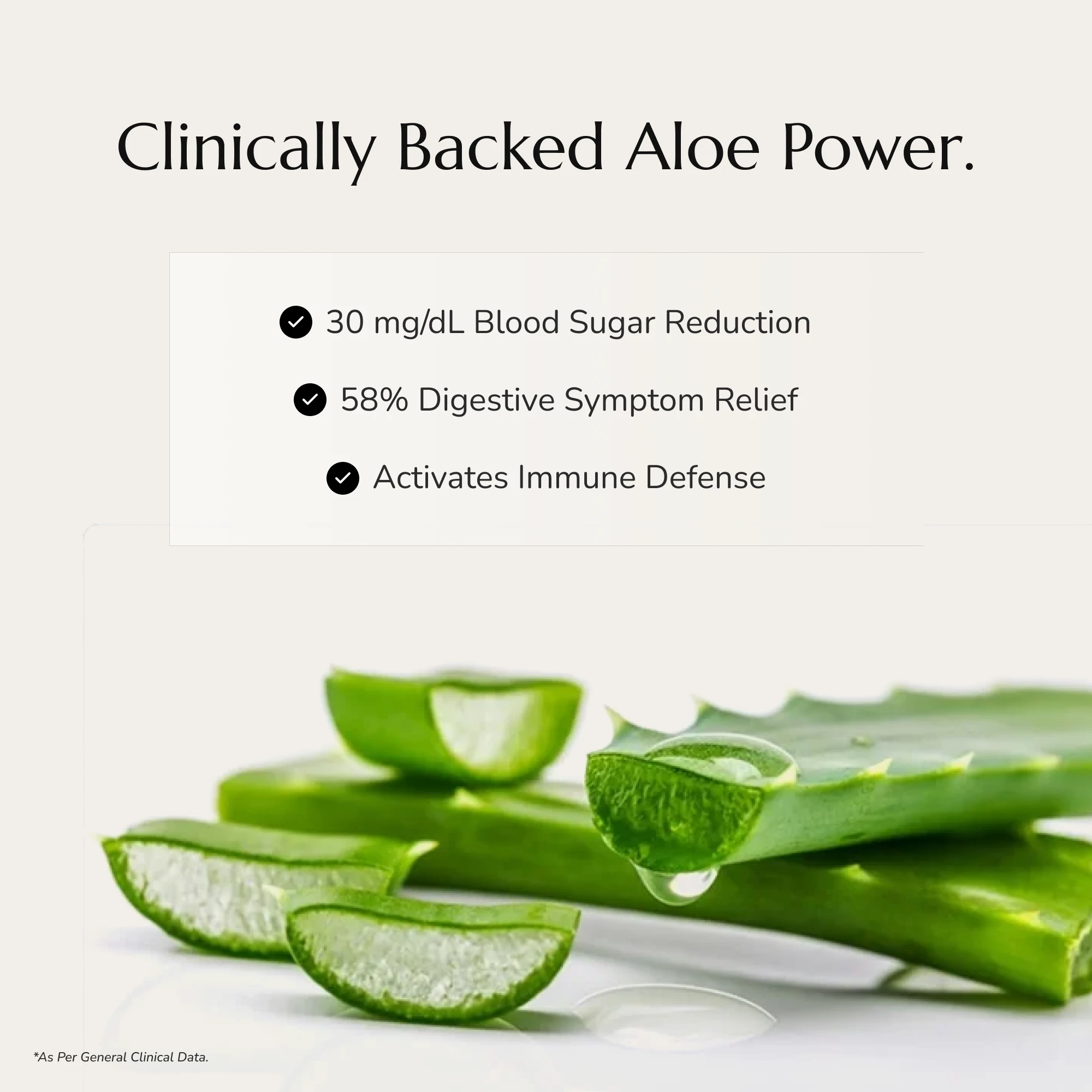
As the temperatures rise and humidity sets in, your body starts working overtime. Whether it's dry summer heat or sticky monsoon weather, staying hydrated becomes more than just drinking water. It's about replenishing nutrients, calming internal heat, and supporting digestion. And one natural way to do all three? Aloe vera juice. Packed with essential nutrients and prized for its natural cooling properties, aloe vera juice does more than hydrate. It helps you stay balanced and refreshed in hot and humid climates. Why Hydration Needs More Than Just Water High temperatures and humidity cause your body to lose fluids and minerals faster than usual. Excessive sweating, digestive sluggishness, skin irritation, and internal fatigue are all common during these seasons. While water is crucial, it doesn’t always restore what your body truly needs. This is where aloe vera juice comes in. It quenches thirst, restores minerals, and helps cool the body from within, making it ideal for humid, tropical conditions. Aloe Vera Juice Benefits for Humid Weather Wellness From calming your stomach to rehydrating your skin, aloe vera juice offers multi-dimensional benefits. Here’s why it’s a smart addition to your summer and monsoon routine: Supports digestion: Helps reset the gut bacteria and reduce heaviness and indigestion, common in hot, damp weather Naturally detoxifies: Gently cleanses the system, supporting metabolism and energy. Cools the system: Regulates internal heat and reduces that sticky discomfort Hydrates from within: Keeps your skin, hair, and body balanced and nourished If you're looking for a reliable and pure option, Brimune Aloe Vera Juice is a sugar-free, fibrous, nutrient-rich drink that brings all the benefits of aloe in every sip. Why Brimune Aloe Vera Juice Is a Must in Muggy Weather Not all aloe juices are the same. What makes Brimune Aloe Vera Juice stand out is its focus on purity and freshness. Made from organically grown aloe leaves, it contains no added sugar, artificial flavours or colours. Just nature’s cooling goodness. Here’s how it supports your body during hot and humid weather: Promotes smooth digestion, especially after spicy or heavy meals Helps combat heat-related fatigue and internal inflammation Works as a natural detoxifier in warm, moisture-rich conditions Take it on an empty stomach first thing in the morning. It's a refreshing way to restore balance. Pair It Up: Brimune Amla Juice for Enhanced Immunity While aloe vera juice keeps you hydrated and cool, Brimune Amla Juice provides Vitamin C and antioxidants to boost immunity. This is especially helpful when the weather changes suddenly between sunny and rainy. Amla relieves gas and bloating too. Pro tip: Mix equal parts of Brimune Aloe Vera and Brimune Amla Juice for a daily wellness tonic that supports digestion, immunity, and radiant skin. How to Include Aloe Vera Juice in Your Hot-Humid Weather Routine Adding aloe vera juice to your daily life is simple and effective: Morning Cleanse: Take 20–30 ml of Brimune Aloe Vera Juice with equal amounts of water. Take it as a shot or sip on it like a juice. Take it first thing in the morning on an empty stomach for maximum results. Consistency is key. Make it a part of your wellness routine during summer and monsoon months for lasting benefits. Brihans Natural Products – Your Wellness Partner True hydration begins from within. Whether it’s dry heat or sticky humidity, your body needs more than water to feel truly balanced. That’s why Brihans Natural Products brings you Ayurvedic wellness solutions rooted in the natural power of Aloe Vera. From inner hydration, healthy digestion and immune support with Brimune Aloe Vera Juice and Brimune Amla Juice, our formulations are crafted to refresh, protect, and restore your energy during hot and humid weather. Free from harmful additives and rich in natural actives, because your body deserves care that’s as pure as it is powerful. Discover the Brimune range of Brihans Natural Products and experience the goodness of nature, sip by sip.
Read Our Blog
Oily Skin Care Made Easy: Best Skin Care Products to Use
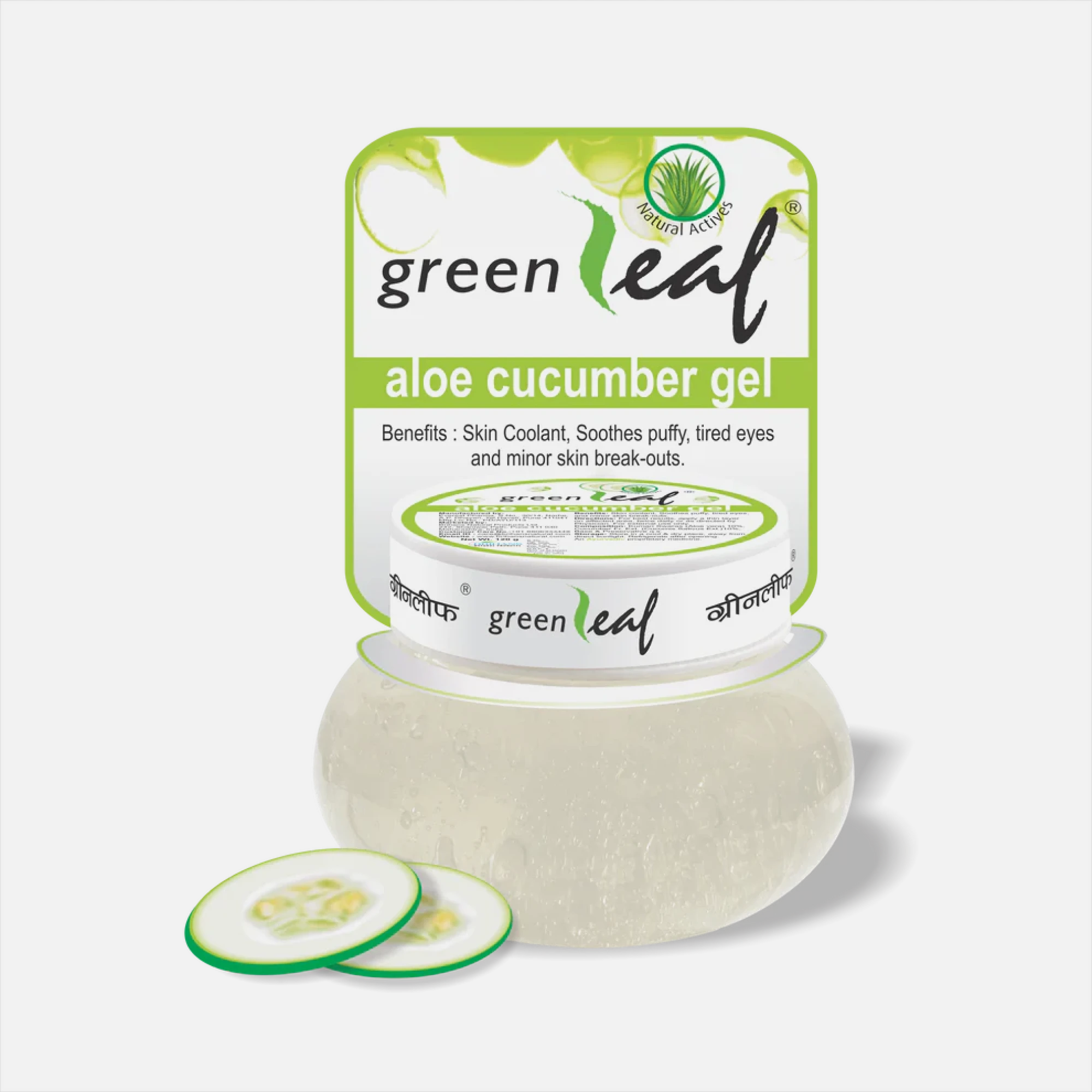
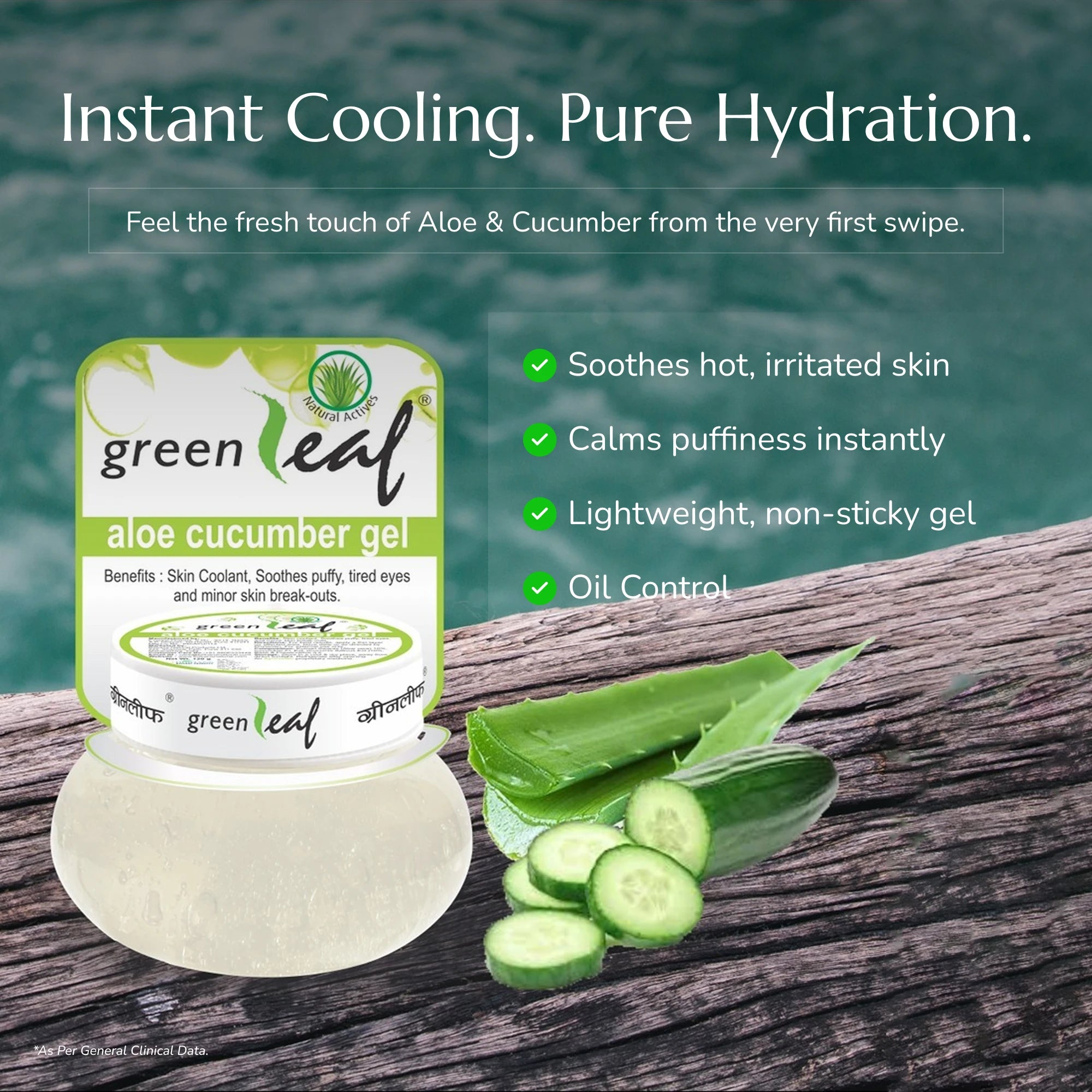
If you have oily skin, skincare can feel like a constant battle. The oiliness builds, pores clog and breakouts become harder to control. It’s a moment where even well-managed skin can feel off balance. A simple routine and the best skincare products for oily skin can help you stay in control and keep your skin feeling fresh. Why It Becomes Difficult to Maintain Oily Skin For oily skin, high humidity levels often bring serious trouble. Humidity triggers excess oil production and the mix of oil, sweat and pollution creates a sticky layer on your skin. This clogs pores, making breakouts, blackheads and acne more common. Without proper care, oily skin can develop enlarged pores, stubborn scarring and fungal issues. The best skin care tip is to act early and choose the best skin care product to protect your skin from lasting damage. Best Skin Care Products for Oily Skin Problems Oily skin needs targeted care, especially when the weather turns damp and sticky. Here is how #greenleafaloevera helps to tackle oiliness in 2 easy steps in the most natural way. Problem: Puffy, oily, dull skin with minor breakouts, acne, pimples and skin impurities caused by trapped oil and dirt Solution Step 1: Greenleaf Aloe Face Wash Gel Oily skin is more prone to breakouts, especially when sweat and grime linger after outdoor exposure. Washing too frequently or using harsh soaps can strip natural oils, causing rebound oiliness. Greenleaf aloe face wash gel is an Ayurvedic, soap-free gel that blends Aloe Vera, Turmeric and Tea Tree Oil to cleanse without drying. Its cellulose scrub beads gently exfoliate dead skin cells while preserving moisture. Aloe hydrates, Turmeric heals and Tea Tree reduces acne-causing bacteria, making this face wash ideal for everyday clear skin. Key Benefits: • Gently exfoliates with scrub beads, reducing tan • Retains skin moisture while reducing oiliness, acne & pimples • Suitable for all skin types • Leaves the face clean, soft and radiant Solution Step 2: Greenleaf Aloe Cucumber Gel Humidity can make the face feel heavy and dull. Puffiness, clogged pores, stickiness, oiliness and minor acne tend to surface more often, especially with oily skin. Blending Aloe vera and Cucumber extract, this Greenleaf aloe cucumber gel cools and refreshes the skin. Cucumber reduces puffiness and controls oil secretion, while Aloe Vera improves texture and calms irritation. Ideal for daily use, it leaves the skin looking fresh and soothed, even on the most humid days. Key Benefits: • Soothes puffy, tired skin • Controls oil secretion • Helps manage minor breakouts • Provides a cooling effect that feels refreshing on oily skin Cleanse the skin with Greenleaf Aloe Face Wash Gel and then apply the Greenleaf Aloe Cucumber Gel for fresh, radiant skin. Why Aloe Vera and Cucumber Together Make the Best Natural Solution for Oily Skin Aloe Vera and Cucumber have been trusted in skincare for generations. For oily skin, this powerhouse duo provides exactly what the skin needs. Being water-based, it offers light hydration, soothes irritation and helps protect against damage without adding any heaviness. What makes Aloe Vera the best natural solution for oily skin: • It absorbs quickly and leaves the skin with balanced hydration • Its anti-inflammatory properties help calm redness and irritation caused by breakouts • It supports the skin’s healing process and helps strengthen the skin barrier • It improves skin texture over time What makes Cucumber the best natural solution for oily skin: • It helps control excess oil production • It provides a natural cooling effect that comforts the skin • It helps reduce puffiness and stickiness of skin • It reduces the risk of scars from acne and brightens the skin over time Make #greenleafaloevera a part of Your Oily Skincare Routine Oily skin can be managed with the right care. A simple routine with gentle, effective products can help keep your skin fresh and balanced. Greenleaf by Brihans Natural Products offers skincare made with Aloe Vera and other natural active ingredients. These products are designed to soothe, protect and support your skin in every weather. Each formula is rooted in the wisdom of Ayurveda and crafted to care for oily skin without harsh effects. If you’re looking for the best skin care products to take care of your oily skin, explore the Greenleaf Aloe Vera range from Brihans Natural Products. Let nature take care of your skin, the simple way.
Read Our Blog
Available on: